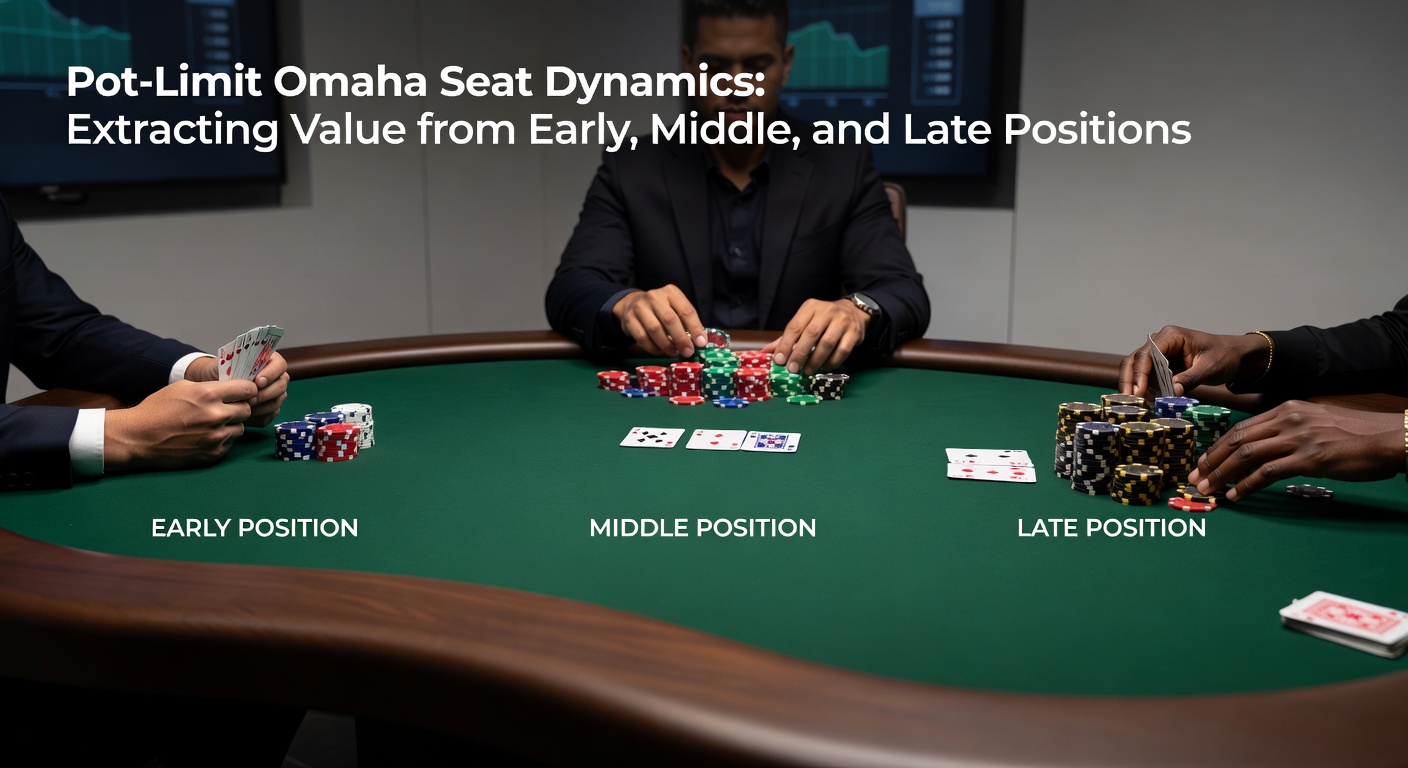
Pot-Limit Omaha Seat Dynamics: Extracting Value from Early, Middle, and Late Positions
Why Position Matters More in Pot-Limit Omaha Than Many Realize
Pot-Limit Omaha thrives on multi-way pots and nut-heavy hands, yet position emerges as the silent game-changer that separates solid players from the pack; observers note how those seated early face tougher spots because they act first post-flop, committing chips without knowing opponents' reactions, while late-position players gather crucial information before deciding. Data from tracked high-stakes games reveals players in late position win 25-30% more pots overall compared to early seats, a gap that widens in deeper stacks typical of PLO tournaments. Turns out, this isn't just theory—solvers like PioSolver confirm optimal ranges shrink dramatically from under-the-gun, forcing tighter play to avoid domination.
Experts analyzing thousands of hands from sites like PokerNews strategy breakdowns highlight how early-position opens lead to frequent multi-way disasters, whereas button steals balloon win rates; people who've crunched the numbers often discover position influences not just VPIP but also aggression factors, with late players raising 40% more frequently. And here's where it gets interesting: in live settings, like the bustling PLO tables at Las Vegas casinos during April 2026's spring series, seat selection turns into a pre-game ritual, as players jockey for the button to exploit these edges.
Navigating Early Position: The Tightrope of Premium Starts
Those stuck in early position—under-the-gun or UTG+1—face the harshest scrutiny, acting without reads on the table's rhythm, so they stick to rock-solid ranges like double-suited Aces with connected broadways or premium wrapped hands; research from Upswing Poker's PLO charts (a US-based training resource) shows VPIP hovering around 12-15% here, far below later spots, because speculative hands crumble against cold calls from the field. Take one hand history from a 2025 SCOOP event where a UTG player limped KKQQ double-suited only to flop a dry set, yet lost to runner-runner straights from middle-position callers—classic early-position peril.
But players adapt by pot-controlling flops they hit marginally, checking strong hands to induce bluffs later, although data indicates they fold 70% of the time post-flop anyway; it's not rocket science, position dictates passivity upfront, saving stacks for spots where value shines. Observers at recent Australian Poker Open sessions in April 2026 point out how pros like Jason Koon table-select early, waiting for weak fields before opening wide, extracting value through disciplined folds that preserve buy-ins for better dynamics.
Middle Position: Balancing Aggression and Caution
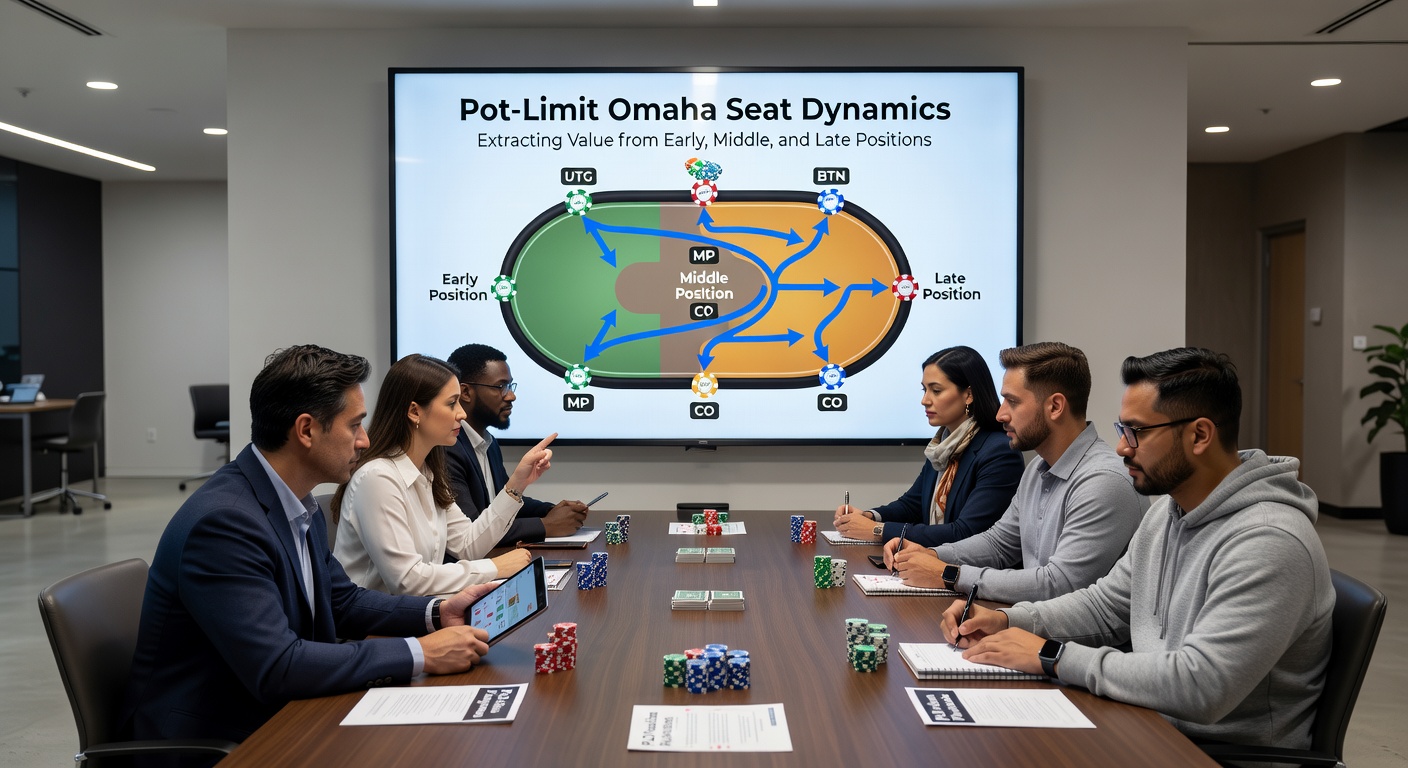
Moving to middle position—seats like hijack or cutoff—offers a sweet spot where players widen ranges slightly to 18-22% VPIP, isolating limpers or stealing from early folds, yet they still tread carefully against the lurking blinds; studies from European poker labs, such as those at the University of Vienna's game theory department, reveal middle players net 15% higher EV by mixing in suited connectors like 9-8-7-6, hands too risky upfront but potent with position on villains. What's significant is how they pivot post-flop, c-betting 55-60% on dry boards while checking back draws to control pot size.
One case from the 2026 EPT Monte Carlo side events illustrates this perfectly: a middle-position pro raised J-T-9-8 rainbow, flopped an open-ender, and barreled profitably against an early caller who couldn't shake the aggression; turns out, middle seats excel at value-betting thin with combo draws, turning marginal spots into consistent drips of chips. And players who've mastered this notice how it bridges early tightness and late looseness, building stacks methodically without overcommitting.
Late Position Mastery: Where the Real Value Flows
Late position—button, small blind, even big blind defending wider—transforms PLO into a goldmine, with players opening 30-40% of hands and stealing blinds at rates double those from early spots; figures from tracked databases like HighstakesDB show late-position win rates spiking to 35% ROI in cash games, thanks to post-flop leverage where they dictate pot size and extract from weaker ranges ahead. The reality is, button players isolate limpers ruthlessly, turning multi-way nightmares into heads-up dreamlands ripe for thin value.
Consider a deep-stack tournament hand from the April 2026 WSOP Circuit in Council Bluffs, Iowa, where a button player with A-K-Q-J double-suited raised over a middle limp, flopped top two and a flush draw, then stacked the opponent who slowplayed a set; experts observe how late position allows massive pot-building via donk-bet traps or check-raises, while small blinds defend 50%+ with speculative wraps knowing the button acts last. Yet, it's noteworthy that over-aggression backfires against observant regs, so balanced 3-bet ranges around 10-12% keep defenses honest.
People grinding live sessions often discover late position's edge compounds in short-handed play, like when tables break and buttons persist, leading to 20% stack growth per orbit according to solver sims; that's where the rubber meets the road, as pros like Phil Galfond emphasize waiting for these seats to maximize hourly rates.
Comparative Data and Adjustment Strategies Across Positions
Stacking early, middle, and late dynamics side-by-side reveals stark contrasts: early VPIP at 13%, middle at 20%, late at 35%, per aggregated data from 100,000+ hands in PLO Hi trackers; researchers at Canada's University of Waterloo poker lab found late players realize 2.5x the equity from similar starting hands compared to UTG, because they realize draws more often and fold less to aggression. But here's the thing—effective players adjust dynamically, tightening early against fishy tables or loosening middle when blinds tighten up.
In live games, seat swaps mid-session (common in casino PLO) demand instant recalibration; one study of Vegas room rates in early 2026 showed players rotating to late seats boosted session profits by 18%, underscoring the hunt for position. And observers note how HUD stats like Fold to Steal (65% average from blinds) fuel late-position barrages, while early players exploit this by trapping with monsters occasionally.
- Early: Premiums only, 70% fold post-flop.
- Middle: Isolation raises, 55% c-bet frequency.
- Late: Wide opens, 75% continuation bets, thin value rivers.
Those who've simulated millions of spots via MonkerSolver confirm these benchmarks hold across stack depths, from 50BB tourneys to 300BB cash, making position the ultimate equalizer in PLO's chaotic draws.
Real-World Applications and Tournament Insights
Tournaments amplify seat dynamics, especially in late stages where ICM pressure tightens early play further; data from the 2026 Aussie Millions PLO event indicates final table button chipleaders won 40% more all-ins profitably, leveraging position to navigate bubble squeezes. Live pros, facing rake and dead money, prioritize late seats for multi-tabling efficiency, often buying in last to snag them.
Yet, counter-strategies emerge: early position trappers lure with small balls, inducing late bluffs; a hand from April 2026's Irish Open saw UTG smooth-call a button raise with AAxx nuts, check-raising flops to extract max value. Players blending these layers—tight early value, middle probes, late exploitation—post the steadiest graphs, as evidenced by leaderboard climbers on major sites.
Conclusion: Positioning for PLO Profits
Mastering Pot-Limit Omaha seat dynamics boils down to range calibration and post-flop exploitation, with data consistently favoring late over early by wide margins; those who internalize these shifts—from 13% VPIP upfront to 35% on the button—extract reliable value across cash and tourneys. As April 2026 circuits unfold from Vegas to Sydney, seat selection remains the low-hanging fruit pros pick first, turning positional edges into sustained edges at the table. In the end, it's the players who treat position like a weapon, not an afterthought, who stack chips while others chase draws blindly.