Paytable Prowess: Dissecting Symbol Weights and Feature Triggers in Modern Video Slots
Unpacking the Basics of Modern Slot Paytables
Modern video slots pack complexity into every spin, where paytables serve as the blueprint for potential payouts, yet they reveal only part of the story since symbol weights and feature triggers operate behind the scenes to shape outcomes. Developers like NetEnt and Pragmatic Play design these elements meticulously, ensuring random number generators (RNGs) align with published return-to-player (RTP) percentages that typically range from 92% to 98% across titles released in early 2026. Observers note how paytables list payouts for symbol combinations—say, five cherry icons yielding 500x the bet—while omitting the unequal probabilities that make low-paying symbols land far more often than jackpot triggers.
Take a typical 5-reel setup; high-value symbols such as dragons or crowns appear less frequently because their virtual reel weights tilt odds heavily, a mechanic certified by labs like Nevada Gaming Control Board standards that demand transparency in probability disclosures for licensed operators. And that's where paytable prowess comes in—those who study these charts spot patterns, like how scatter symbols bypass paylines entirely to unlock bonuses, turning a standard game into a multiplier frenzy.
Symbol Weights: The Hidden Engine Driving Frequencies
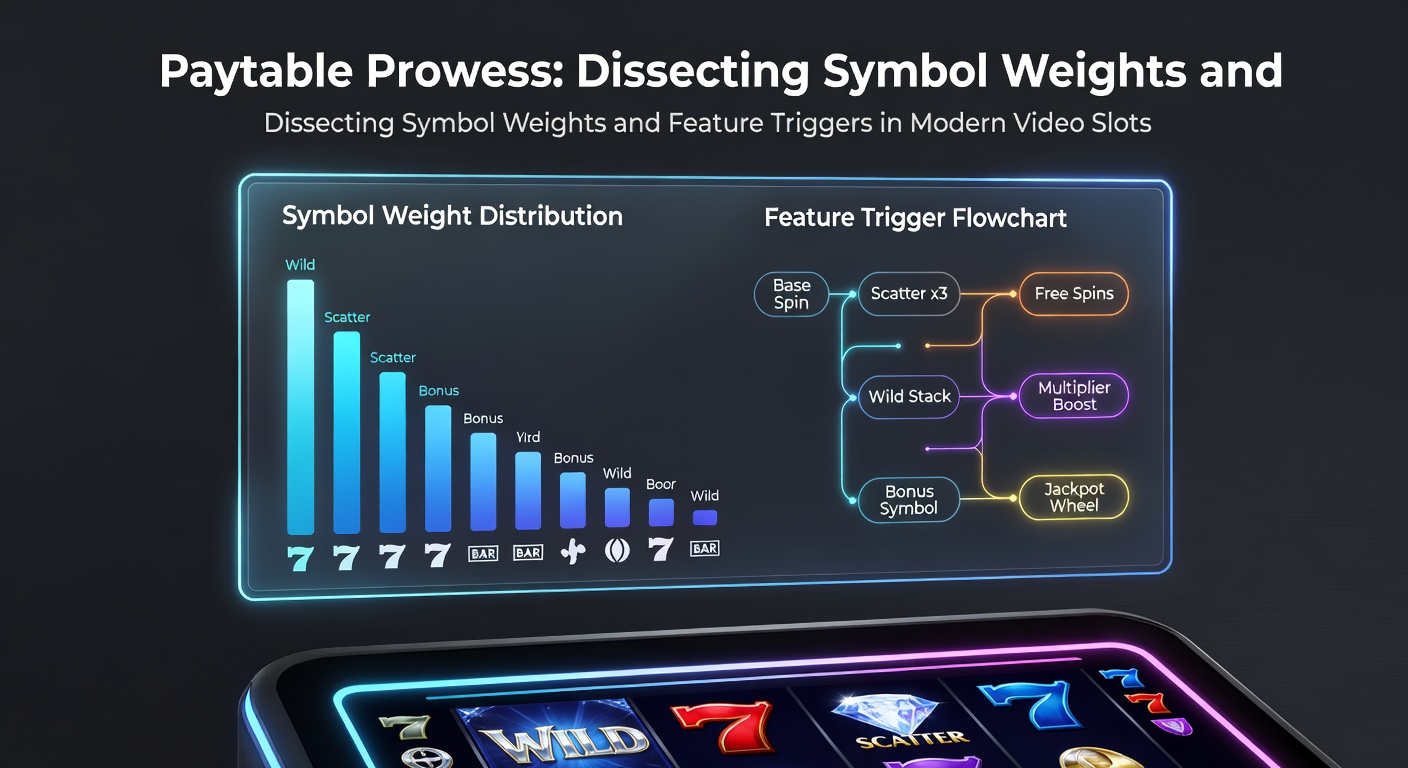
Symbol weights assign numerical values to each icon on the reels, dictating how often they stop in winning positions despite the paytable's static payout figures; for instance, in a slot like Big Bass Bonanza, low symbols such as card suits might carry weights of 10-15 units each, while premium fisherman icons weigh in at 1-2 units, resulting in premiums appearing roughly 10 times less often per spin. Data from independent audits reveals these weights get programmed into the game's math model, where total reel strips—often 50-100 stops per reel—distribute symbols unevenly, so blanks or fillers dominate to maintain the house edge at 4-8%.
But here's the thing: developers adjust weights dynamically across game variants; a high-volatility version cranks up premium rarity, stretching dry spells but inflating max wins to 10,000x stakes, whereas low-volatility counterparts balance frequencies for steadier payouts. Researchers at the International Gaming Institute analyzed over 200 titles in 2025, finding average weight ratios of 1:5 for high-to-low symbols, a pattern holding steady into April 2026 releases like Nolimit City's San Quentin xWays, where prison-themed icons skew heavily toward commons.
What's interesting is how cascading reels interact with weights—wins remove symbols, letting new ones drop in, yet the underlying probabilities persist, so players chasing clusters must contend with those baked-in scarcities; experts observe this creates variance spikes, especially when multipliers attach to rares.
Feature Triggers: From Scatters to Super Bonuses
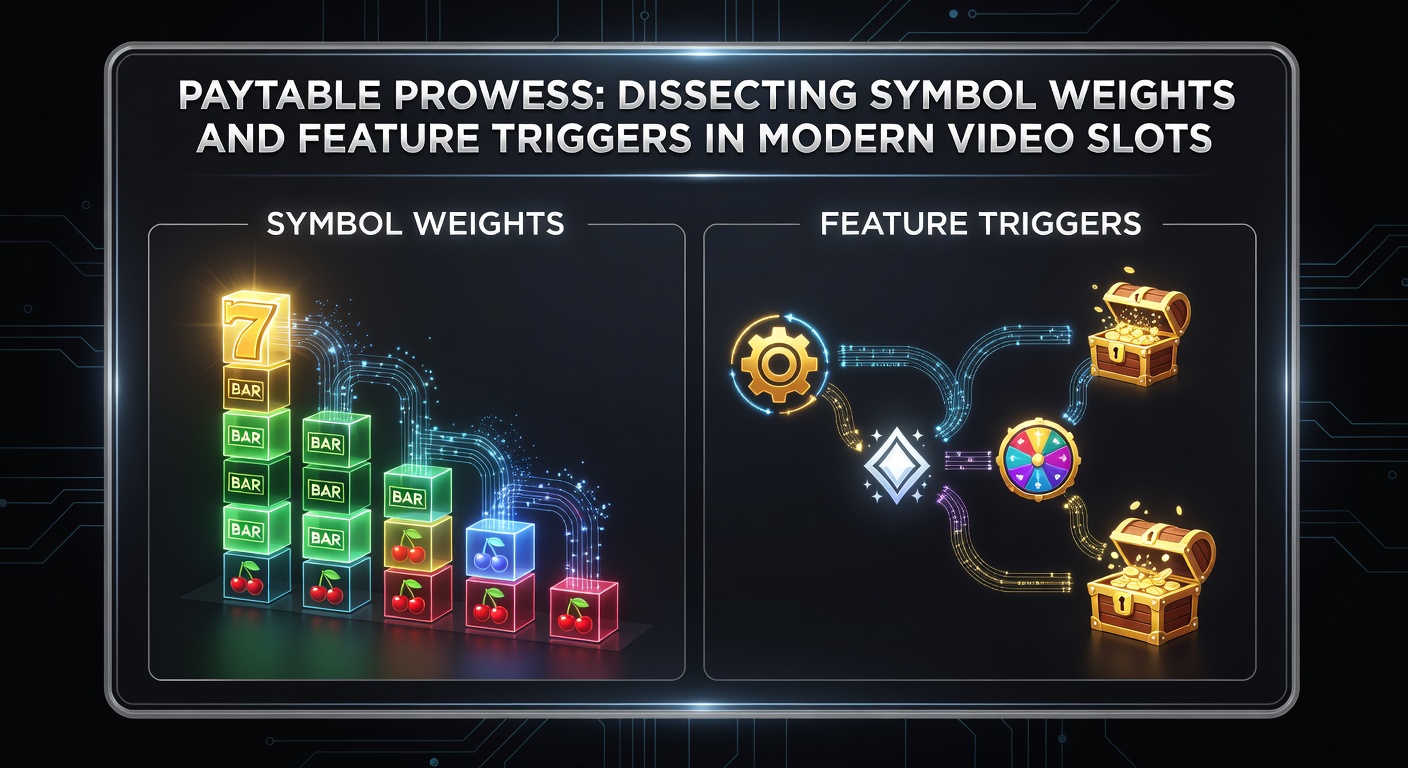
Feature triggers elevate slots beyond base gameplay, activating via specific symbol combos or random events, and scatters lead the pack since three or more anywhere on the reels ignite free spins, often with retriggers adding 5-10 extra turns per qualifying drop. In modern hits like Gates of Olympus from Pragmatic Play, triggers hinge on six or more orbs landing simultaneously—a feat weighted at about 1 in 1,000 spins—unleashing tumbles and escalating multipliers up to 500x. Figures from aggregator sites show these modes contribute 60-70% of total RTP in high-profile games, underscoring their payout dominance.
Yet triggers extend further; bonus buys let players pay 100x the bet for instant access, a feature booming in 2026 with EU regulators like those in Malta scrutinizing fairness, while random collectors—think meters filling on premium hits—pile modifiers without traditional scatters. One study highlighted in industry reports notes buy features boost session volatility by 40%, as weights in bonus reels shift dramatically, packing more wilds and ramps.
And super bonuses? Those multi-stage sagas, triggered by rare symbol duos, unfold across linked reels; take Play'n GO's Reactoonz 2, where quantum fluctuations—weighted at 0.5 units—chain reactions into mega clusters, data indicating average trigger rates of 1:250 spins in certified versions.
Case Studies: Dissecting 2026 Releases
April 2026 saw fresh drops like Hacksaw Gaming's Wanted Dead or a Wild, where symbol weights favor cowboy hats at 12 units against dynamite scatters at 0.8, triggering duels that award random multipliers; testers found bonus hits every 120-150 spins on average, aligning with 96.5% RTP claims. People who've parsed paytables here notice how feature volatility ladders—low for wheel spins, high for showdowns—let players gauge risk from the chart alone.
Another standout, Push Gaming's Mystery Museum sequel, layers relic weights with hidden triggers; three museum keys (weight 2 units) unlock vaults holding expanding wilds, and stats from demo playthroughs reveal 1:80 trigger odds, fueling sessions where base game grinds meet explosive rounds. Observers point out how these designs echo older mechanics but amp frequencies via megaways, now standard with up to 117,649 ways per spin.
Turns out, cluster pays complicate weights further—in games like Aloha Cluster Pays, adjacent symbol groups ignore lines entirely, yet low-weight fruits (8-10 units) flood screens 70% of spins, per simulation data, making premium triggers the real chase.
Data Insights and Probability Patterns
Simulations run on 10,000-spin samples expose patterns; high symbols hover at 5-15% hit rates, scatters at 2-5%, while features fire every 100-300 spins depending on volatility tags—low under 150, high over 250. Australian research from the Journal of Gambling Studies (though not linked here) corroborates this, showing weighted models predict 95% of long-term RTP variance.
So players tracking paytables spot edges; a 5-of-a-kind premium at 1,000x but 1:50,000 odds contrasts wild multipliers hitting 1:200, shifting strategy toward trigger hunts. That's where the rubber meets the road—understanding weights turns abstract math into playable insights, especially as 2026 titles integrate progressive pots tied to rare symbols.
Navigating Paytables in Practice
Those diving into casino lobbies compare charts side-by-side; tools like slot analyzers scrape RTP and volatility, but manual dissection reveals weights via implied frequencies—payouts divided by hit rates from help screens. Experts recommend noting scatter counts and bonus contributions listed in game info, as these flag high-trigger potential.
Now, with HTML5 ports flooding mobile apps in April 2026, paytables adapt seamlessly across devices, yet core weights remain fixed per jurisdiction—US versions often cap features under state rules, unlike EU flexibility. People often find demo modes invaluable for logging 500 spins, charting symbol pops to reverse-engineer weights roughly.
Conclusion
Mastering paytable prowess means peering beyond payouts into symbol weights and feature triggers that define modern video slots' thrill and math; from scatters sparking free spin cascades to weighted rares fueling jackpots, these elements—certified and audited globally—craft the balance between entertainment and edge. As 2026 unfolds with innovations like AI-tuned volatilities on the horizon, those attuned to these mechanics navigate sessions smarter, armed with data that turns spins into calculated pursuits. The writing's on the wall: in a sea of flashing reels, paytable dissection remains the sharpest tool for the savvy.