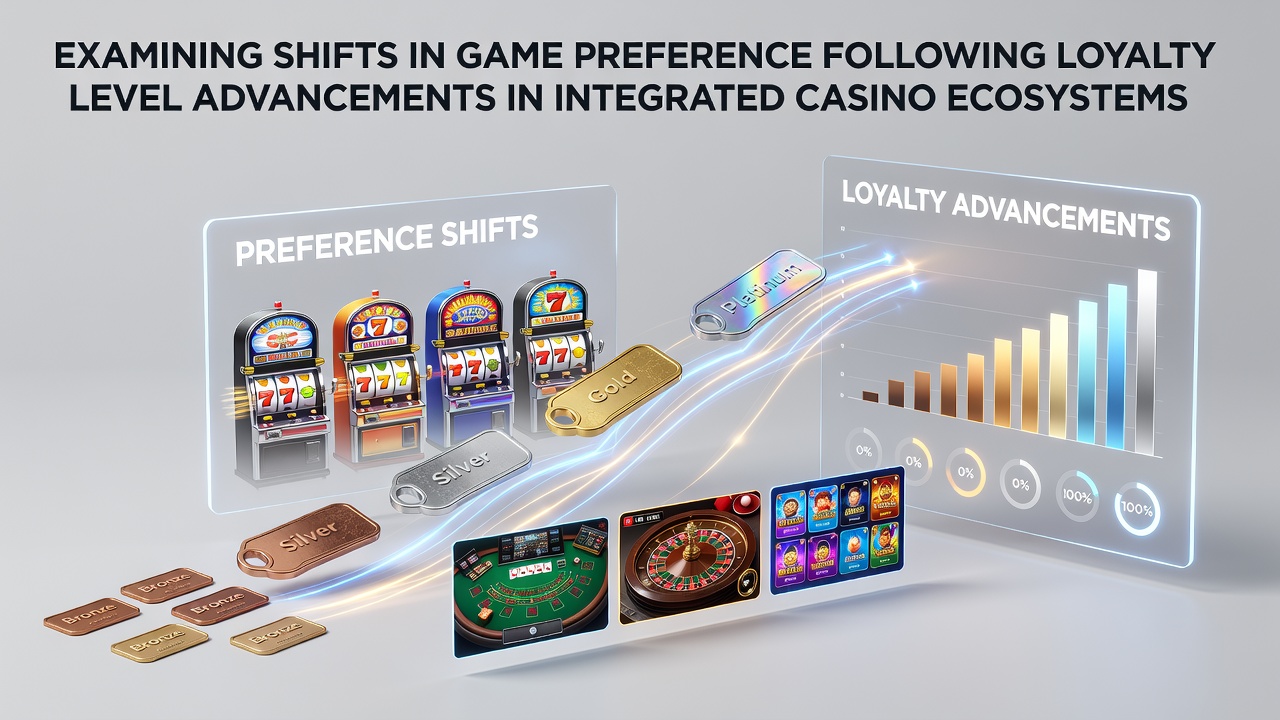
Loyalty Tier Advances Reshape Player Selections Across Unified Casino Platforms
Integrated casino ecosystems connect slots, tables, and digital interfaces through centralized loyalty programs, and data from multiple jurisdictions shows that players alter their game choices once they reach higher tiers. Observers note these adjustments often involve moves toward lower-volatility options or games that offer extended playtime once bonus structures unlock additional rewards.
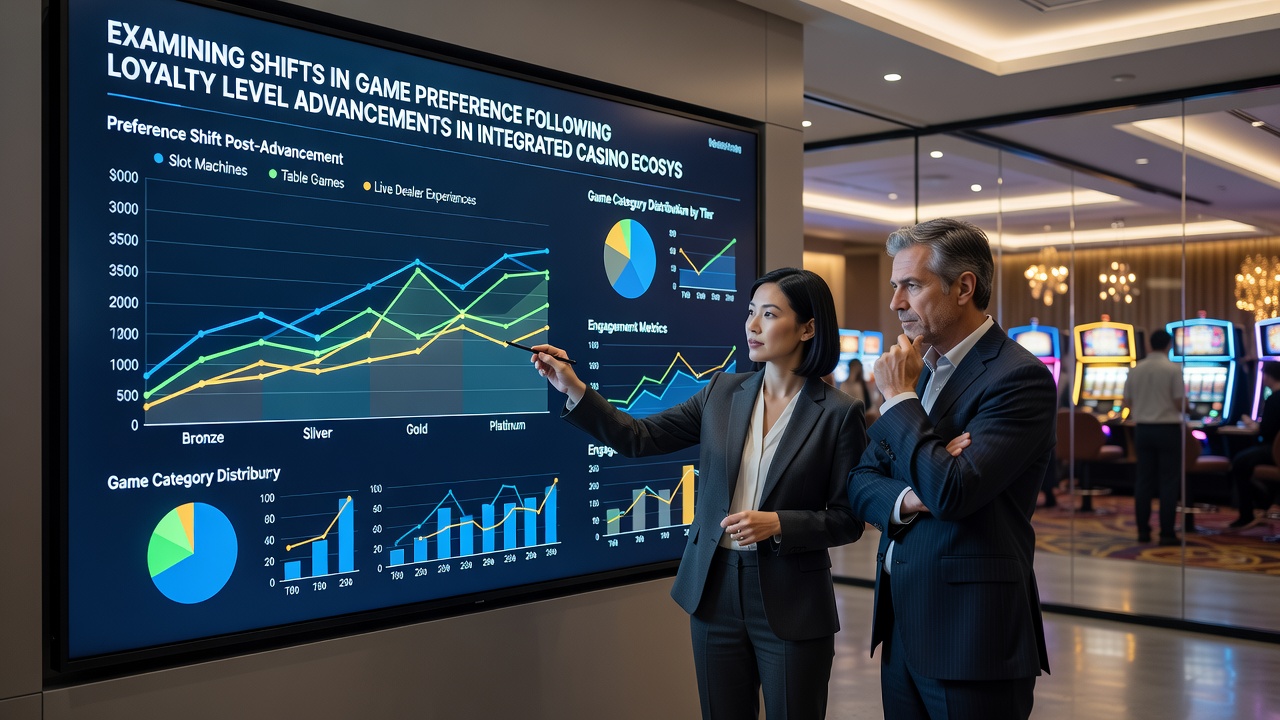
Research from the International Gaming Institute at the University of Nevada indicates that loyalty advancements correlate with measurable changes in session length and game category distribution. Players who progress from entry-level to mid-tier status frequently increase time spent on table games while reducing reliance on high-variance slots, according to aggregated transaction records spanning 2024 through early 2026.
Mechanics Driving Preference Adjustments
Integrated platforms track every wager across physical and online channels, which allows operators to adjust reward multipliers as loyalty points accumulate. Once participants cross specific thresholds, they gain access to personalized offers that favor certain game types, and this incentive layer influences subsequent selections without requiring explicit direction from the player.
Figures released in June 2026 by the Nevada Gaming Control Board reveal that table game handle rose 8 percent among loyalty members who advanced two tiers or more during the prior quarter, while slot coin-in in the same cohort declined by 4 percent. These patterns emerged consistently across properties that share unified player databases rather than operating isolated systems.
Observed Patterns in Game Category Migration
Players reaching platinum or diamond equivalent levels demonstrate a documented shift toward games that support steady point accumulation over extended periods. Roulette and blackjack variants see increased play minutes per session, whereas progressive jackpot slots experience reduced engagement once tier benefits include free play credits that carry lower wagering requirements.
One longitudinal review conducted by researchers at the University of Macau tracked 12,000 accounts across three integrated resort groups and found that loyalty advancement coincided with a 15 percent increase in live dealer table activity and a corresponding 9 percent drop in automated slot spins per active day. The study attributed these movements to both reward structures and the social elements embedded in table environments once players qualify for VIP host interactions.
Regional Data and Cross-Market Comparisons
Reports from the Australian Gambling Research Centre highlight similar dynamics in New South Wales integrated venues, where loyalty tier upgrades prompted a measurable preference for electronic table games over standalone machines. The center's analysis of de-identified loyalty data showed that members who achieved gold status or higher allocated 22 percent more of their total turnover to hybrid products that blend digital interfaces with live dealer oversight.
Canadian provincial data collected by the Alcohol and Gaming Commission of Ontario through March 2026 echoes these findings, noting that loyalty advancements coincided with longer average session durations on poker variants and reduced frequency of standalone video lottery terminal play. The commission's quarterly aggregates indicate that reward multipliers applied after tier elevation encourage participation in games that generate consistent point accrual rather than sporadic large wins.
Integration Effects on Behavioral Tracking
Unified ecosystems enable real-time adjustments to promotional offers based on cumulative play history, which means a player who advances tiers receives targeted incentives for categories they have not yet explored extensively. This mechanism supports gradual diversification of game preferences while maintaining overall engagement levels across the property network.
Industry analyses from the European Casino Association document that properties with fully integrated loyalty platforms record lower churn rates among upgraded members compared with segmented systems. The association's 2025 member survey linked these outcomes to the ability to steer preferences toward underutilized game floors through tier-specific multipliers that activate automatically upon advancement.
Conclusion
Data across multiple regulatory regions demonstrates that loyalty level advancements within integrated casino ecosystems correspond with measurable redistribution of player activity among game categories. Table games and hybrid offerings gain share among higher-tier participants, while certain slot segments see reduced engagement as reward structures emphasize sustained play. These patterns appear consistently in transaction records released through June 2026 and reflect the operational realities of centralized tracking systems rather than isolated venue policies. Continued monitoring by academic and regulatory bodies will clarify how evolving reward algorithms further shape these preferences over subsequent periods.